Safari has a way of rearranging your idea of what a holiday is. You're up before sunrise, you're quietly thrilled by a bird you'd never heard of yesterday, and you find yourself going to bed at nine with no regrets at all.
The season shapes the trip
In northern Tanzania, the dry months from June to October concentrate animals around water and thin out the vegetation, making them easier to see. January and February bring the calving season to the southern Serengeti. The migration keeps moving, so where you stay matters as much as when you go.
Your guide is everything
A good guide reads tracks, alarm calls and the behaviour of other animals, and they will know when to wait. They will also make you care about things you never expected, like the social life of a mongoose family. Ask questions. They love it.
What to pack
Neutral colours, layers for chilly dawn drives, a brimmed hat and a decent pair of binoculars. Light aircraft transfers often limit luggage, frequently to a soft bag of about 15 kg, so check before you pack.
Let go of the checklist
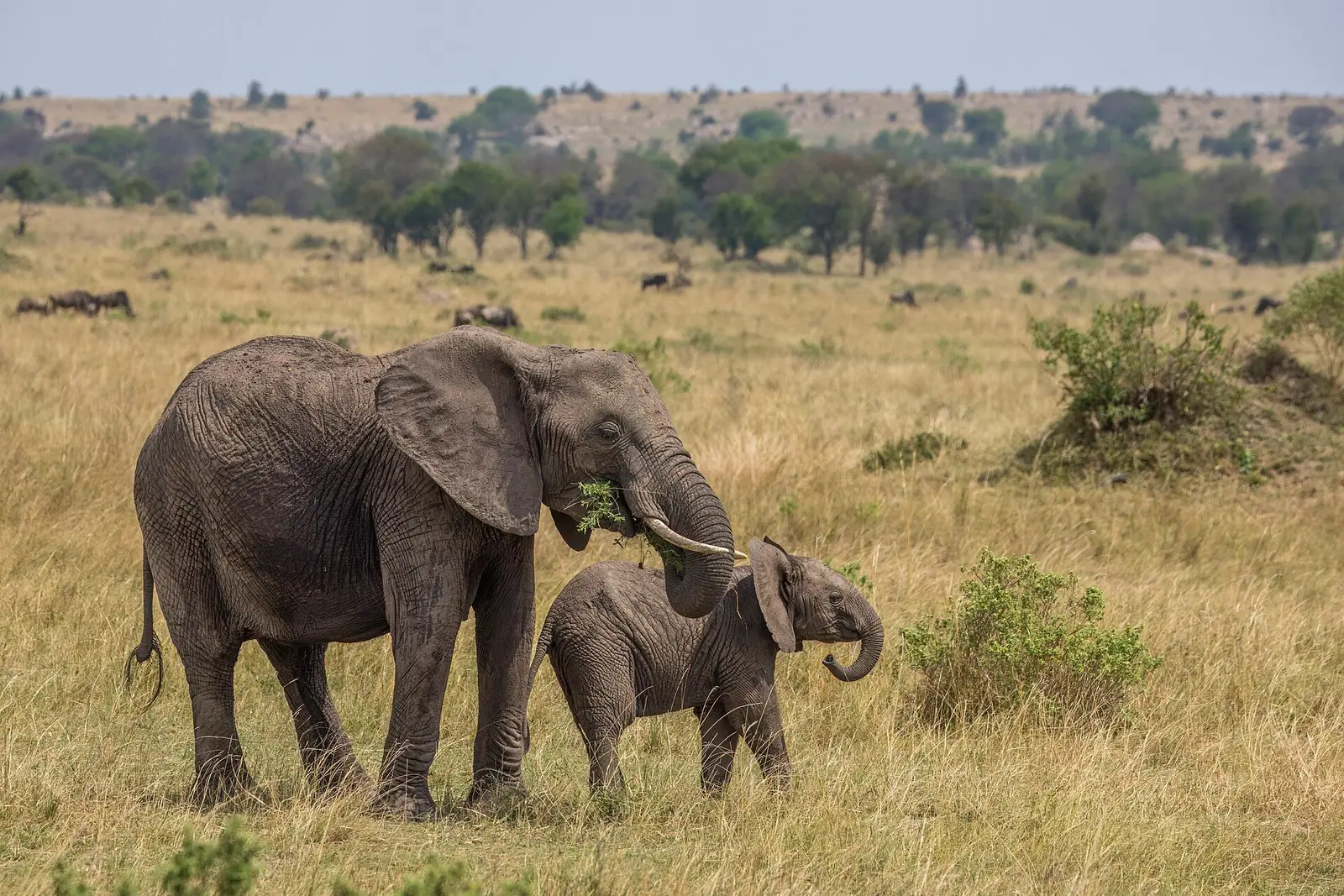
It's easy to arrive hunting for the Big Five. But the moments people remember are often quieter: an elephant family crossing the track at dusk, or the sound of the bush from your tent at night. Stay open to whatever the day brings.
Before you go, ask your doctor about recommended vaccinations and malaria precautions for the areas you're visiting, as advice varies by region and season.