Every destination has its high season, and there's a good reason for it. But the weeks either side, known as shoulder season, are where many of our favourite trips happen.
What you gain
The queues get shorter, the good restaurant tables get easier to book and the best rooms are more likely to be available. Locals, no longer exhausted by peak season, often seem happier to see you too. You may also notice better value, though that varies by destination and date.
Where it works best
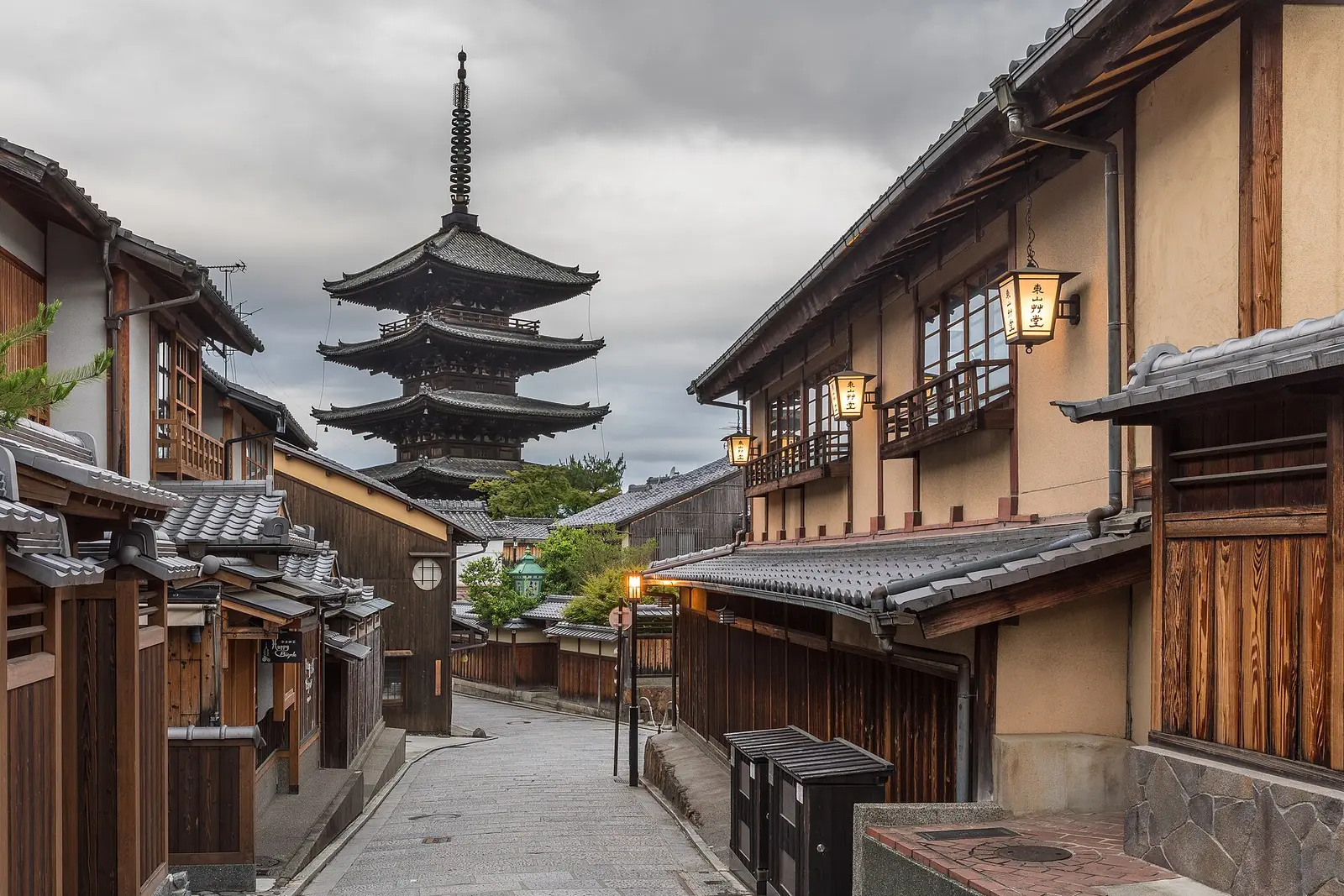
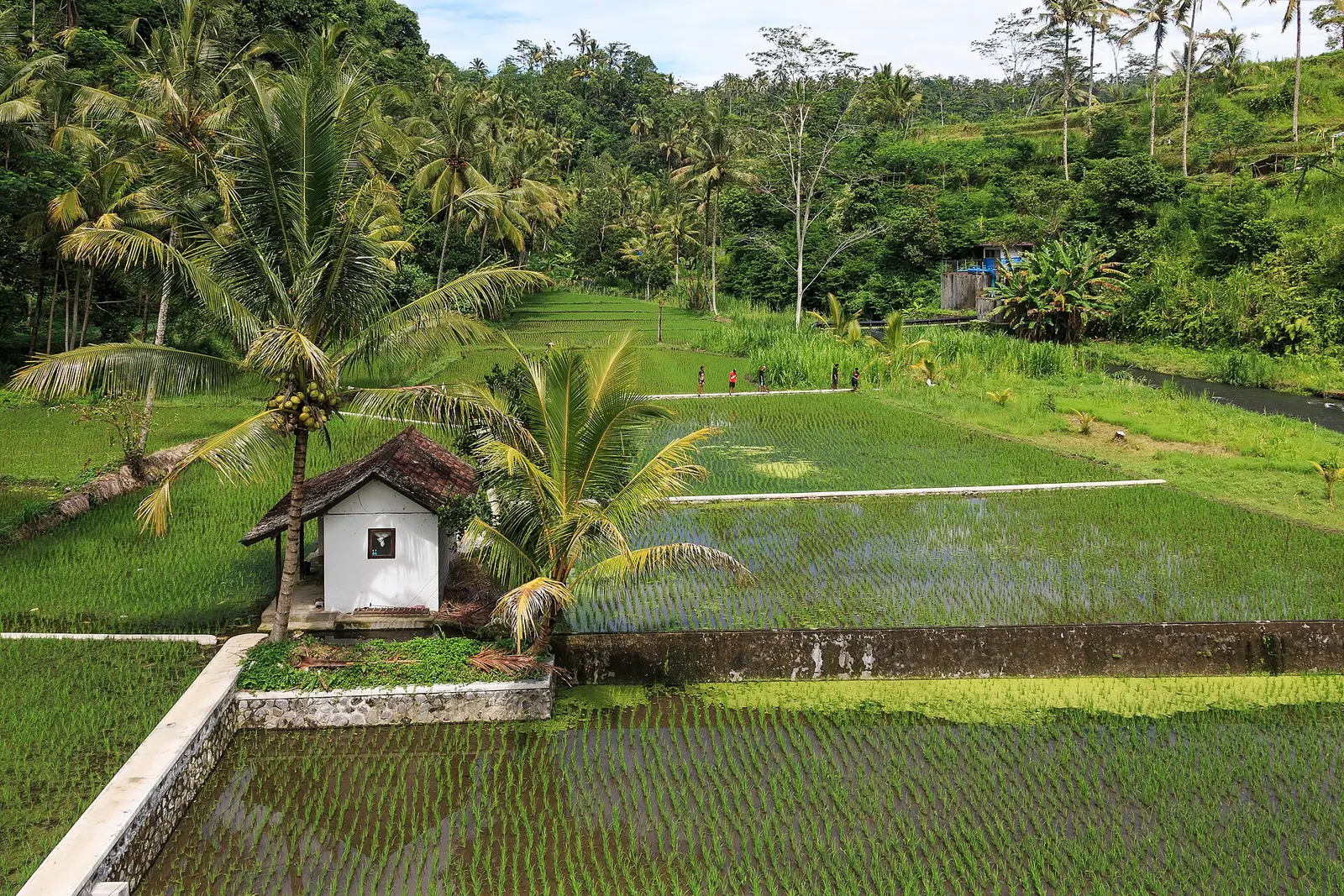
Japan's autumn colours arrive from about October into November, and the crowds are often lighter than at cherry-blossom time. Morocco is at its most comfortable in spring and autumn, when the heat isn't a factor on a long walk. South Korea's spring and autumn are similarly lovely, and the edges of the dry season can be a quieter time to see Bali or Vietnam.
What to watch for
Shoulder season does come with some trade-offs. In tropical Asia, the edges of the rainy season can mean rougher boat crossings or changed schedules, particularly around islands. Weather is less predictable, so packing layers and keeping some flexibility is smart.
If your dates can move, tell us. Shifting a trip by even two weeks can sometimes change the whole experience, and we're happy to look at the options with you before you decide.